
Why is one part of the dust cloud blue while the rest of it is brown?
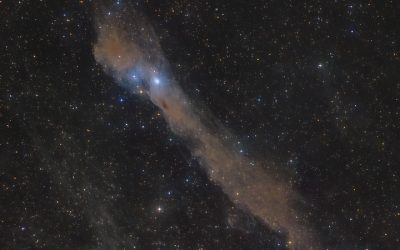

Why is one part of the dust cloud blue while the rest of it is brown?
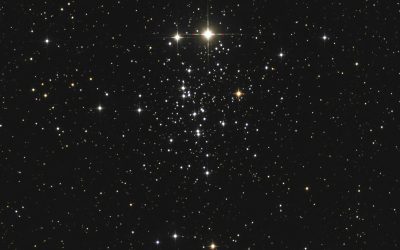
I always carry my binoculars when I’m out under the stars, even when I’m primarily using a telescope. Over the years, I’ve discovered that even a modest handheld binocular like the Vortex Viper HD 10×42 I use can reveal a wide range…

View the full issue in the Magazine Archive March 7 Mars will be <2° S of the Moon. March 8 Mercury will be at its greatest eastern elongation, meaning you can see it just after sunset. March 14...
View the full issue in the Magazine Archive July 2 and 26 Pleiades will be very close to the Moon—less than .5°. July 22 Mercury will be at its greatest elongation east of the sun, meaning it will...

View the full issue in the Magazine Archive March 14 Pleiades is very close to the moon—less than 2 degrees.March 24 Mercury is at its greatest eastern elongation from the Sun. Look for it low in...

My Chosen Spot contest Grand Prize winner Immature Red-vented Bulbul. Photo © Samuel Ching. When I saw the announcement in the July Nature Friend about the “My Chosen Spot” contest, I knew I should...
The Pleiades. Photo © Shaphan Shank. Taurus, the Bull, is a distinctive constellation that lies just northwest of Orion, high in the evening sky in late winter. A V-shaped group of stars forms the...