

Editor’s Note: After Priscilla Wenger’s lesson came out in March 2011, Ezra Morley used her lesson as a springboard. This is a reprint of his story from the October 2012 issue.
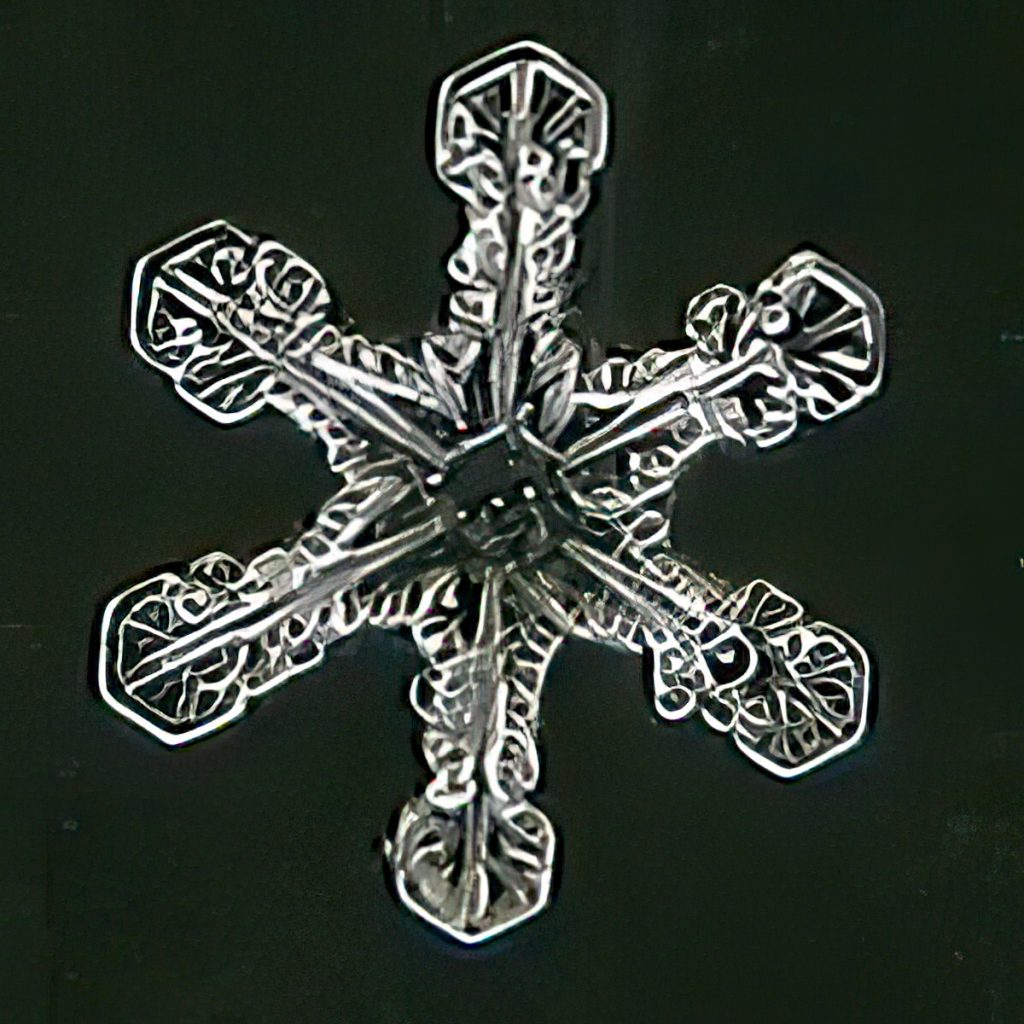


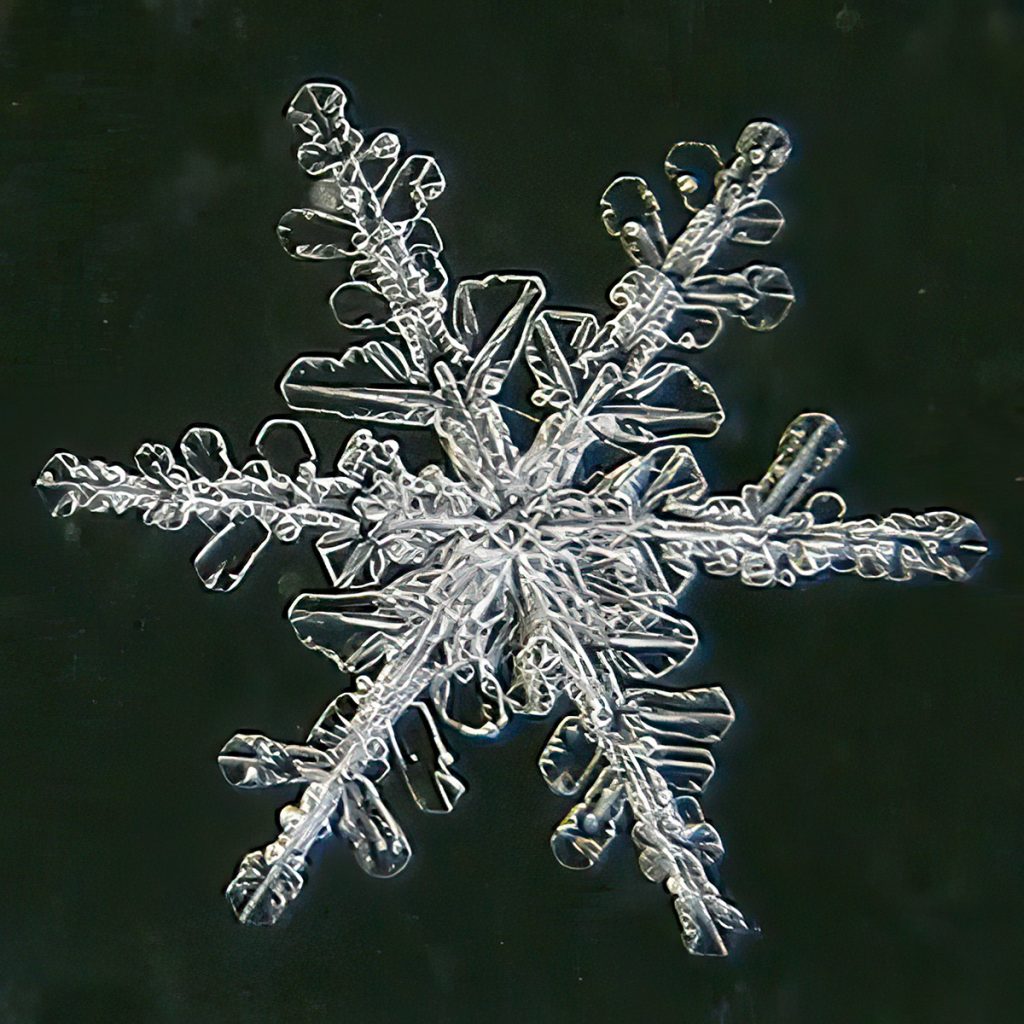
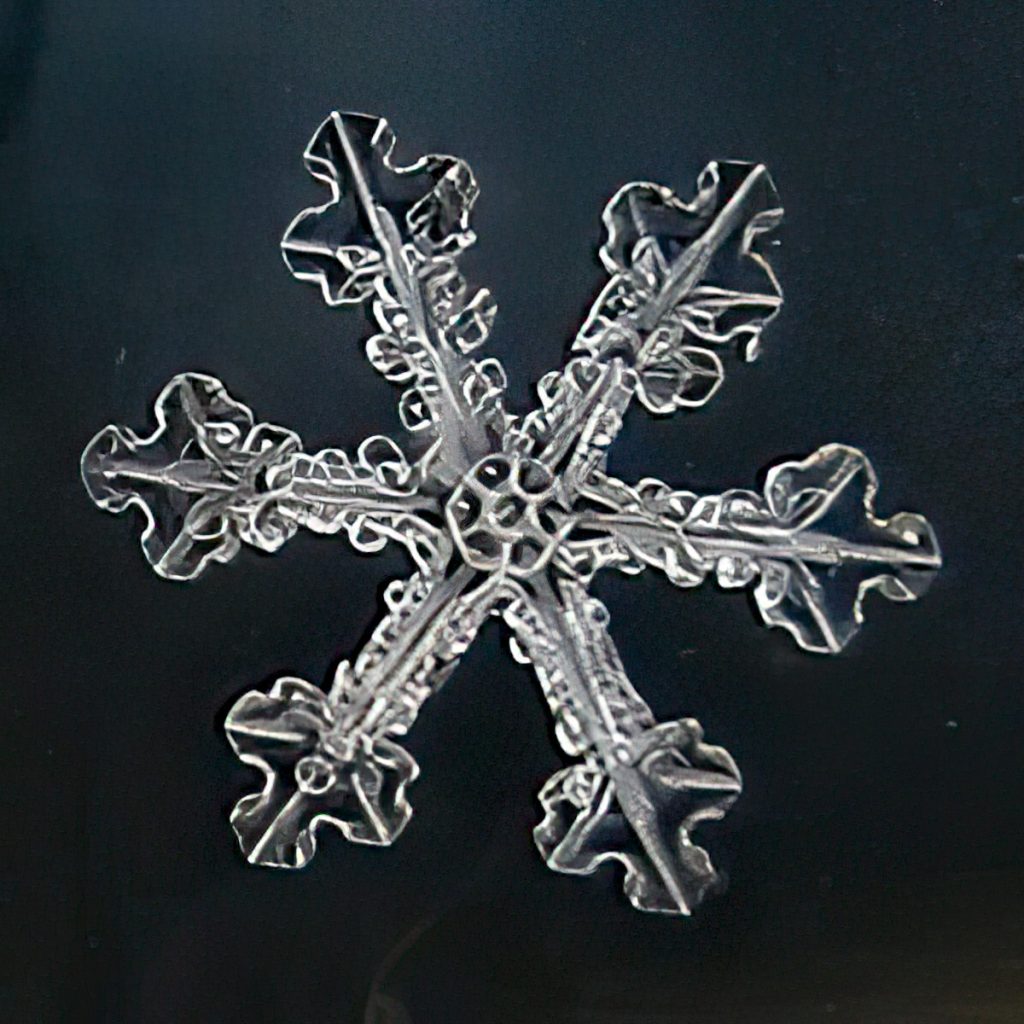
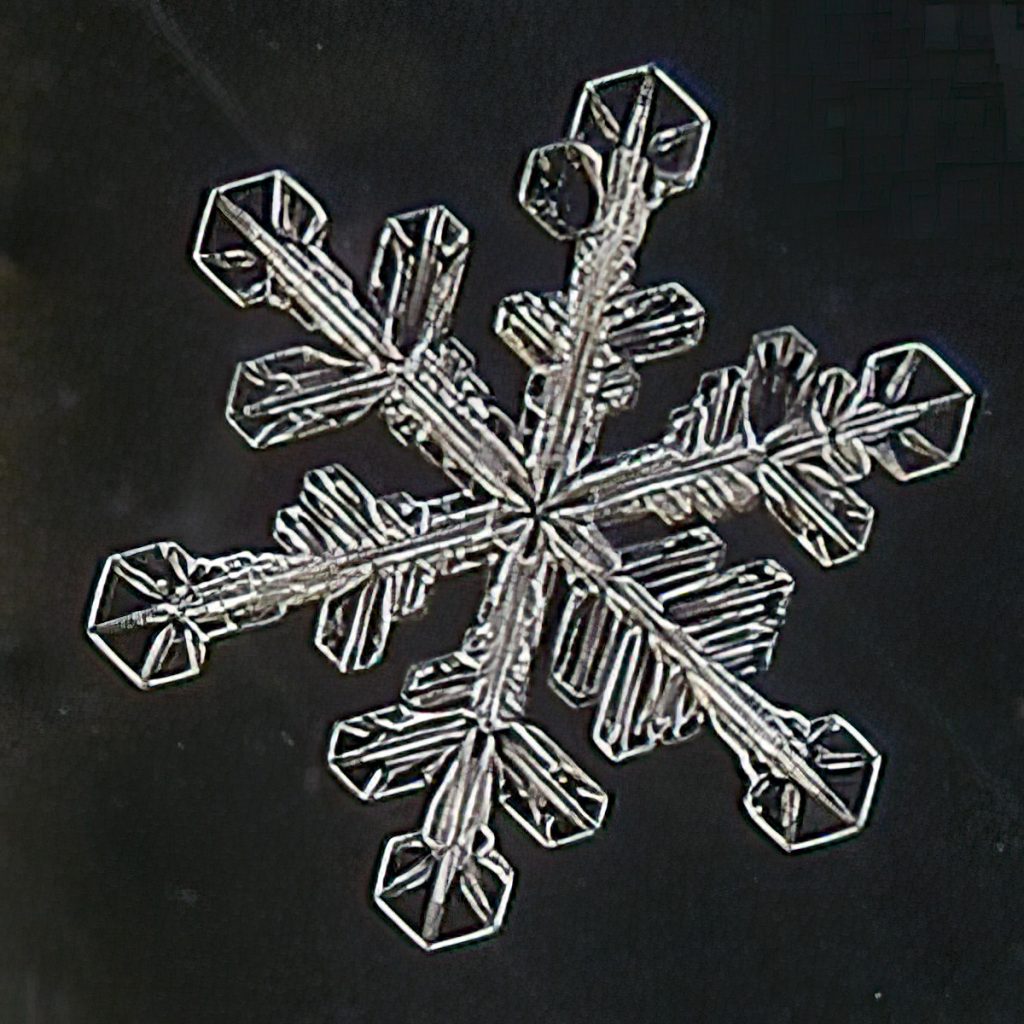
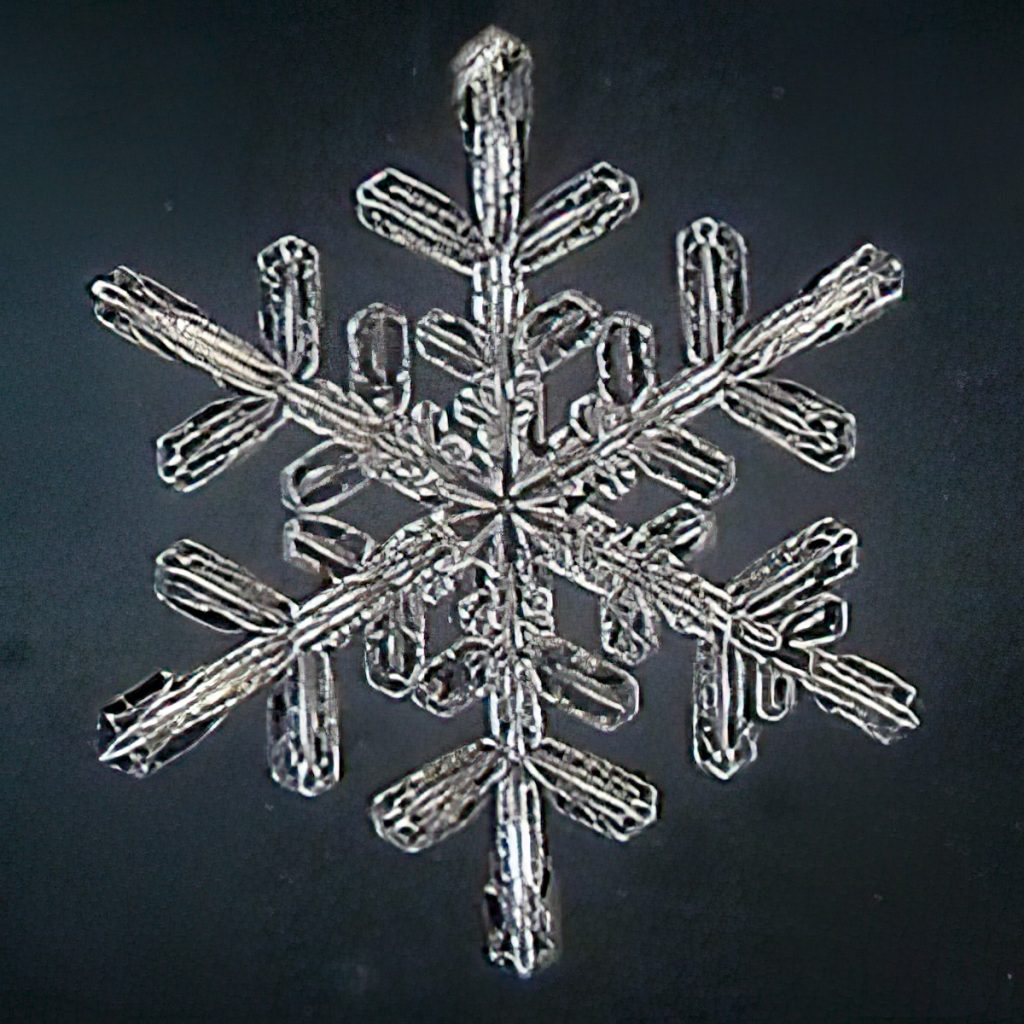
I have been interested in snowflakes ever since I saw pictures of them in the Creation Close-ups section of the December 2011 issue of Nature Friend. I looked up the technique where it was taught in the March 2011 Study Guide, and found out the way Priscilla Wenger did it. We had a mirror, so I put it out in our enclosed porch to get cold. Then I took it outside to try to get some snowflake pictures with it. But the results were disappointing! The first few times the snowflakes just melted on it. I guess it wasn’t cold enough outside. But even when it finally did get cold, I couldn’t get good pictures from the mirror. When I put my Canon Powershot S3 up close to the mirror, the background was too dark, the camera couldn’t get enough light, and there was a double reflection.
One morning I woke up and looked out the window, and it was snowing! I noticed that the snowflakes were sticking to the window! So I got out my camera and set it on super-macro and started shooting. The dark background was the trees growing about 30 feet (9 m) away. But I didn’t notice that I had the ISO value set to 800. This resulted in pictures that weren’t really worth looking at. But I learned from that experience, that when you’re taking pictures of small objects, you should set the ISO as low as possible. Since then I have taken close to 800 pictures of snowflakes, so I don’t miss the few that I ruined.
However, snowflakes didn’t always stick to the window, so that idea blew away.
Then I got to thinking—what if I just take a piece of glass and let the snowflakes fall onto it and then photograph them? So I cleaned some pieces of glass and let them get cold; then I tried. But the flakes melted on the glass just like on the mirror. I quit until it got colder.
To get photos when the temperature was colder, I placed the glass on a wooden rack we had built for hauling wood with our sled. Originally, I put a dark jug of chainsaw oil on the ground under the glass to provide a dark background. Ultimately, I replaced the jug with a piece of black fabric.
As snow fell, I scanned the glass for good specimens. A magnifying glass is valuable for hunting a good flake to shoot. When I found one, I used the super-macro feature of my Canon Powershot S3 to take the photo. I could let the camera lens touch the glass to stabilize it, and still get the snowflake in sharp focus, nice and close. Since the glass was clear and the dark fabric a distance below it, light could come up from below the snowflake to illuminate it. I mostly used manual focus, because the camera sometimes wouldn’t focus very well on such a small object.
BEWARE! Taking pictures of snowflakes is addictive! Make sure you dress warmly, because once you get started you won’t want to stop!