One of the best things to do on a winter Monday morning is to wander about the house admiring the deep green leaves of a few dozen house plants, splashing a little water about their roots, and whisking away any crisp brown leaves. In years past, when the people who live in my house were not quite so big or so messy, I took great pride in the number of houseplants lining my kitchen windows and decorating the living room. In the summer, I moved most of them to my north porch and feverishly propagated them. The day before nighttime temperatures threatened to dip into the low thirties for the first, I frantically dragged all those plants back indoors and counted them gleefully before lovingly arranging them on the west windowsills of my dining room and grouping them comfortably in the darker north living room.
Inevitably some of them languished or died, and some of them were dumped or destroyed by my young children. As the years passed by, dragging all the houseplants back inside became more work and less pleasure. The dozens of plants lining the windowsills became dust traps. The Monday morning plant care routine fell by the wayside as I scrambled to get my children out the door for school.
However, some of my plants seemed to thrive on neglect, were tough enough to be knocked about once or twice without dropping leaves or losing their shape, and adjusted joyfully to their summer home on the northeast porch. These are the plants I faithfully drag indoors when the cold begins to settle, and the ones that live happily no matter how often I splash them with a little water—snake plants, peperomias, and jade plants.
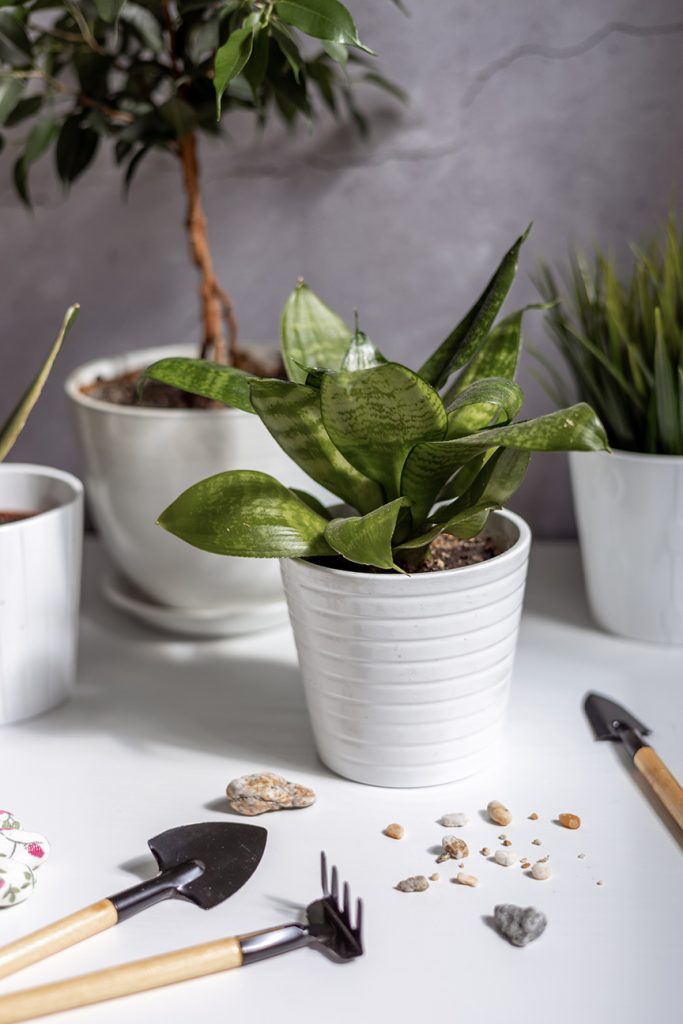
The best of these is a short squat snake plant with a rosette of leaves that resembles a bird’s nest, from which it gets is name, bird’s nest snake plant. I bought this plant several years ago from a local greenhouse in the spring, left it to grow on my north porch, and was overjoyed to see little pups poking up through the potting mix around the edges of the pot by summer’s end. This plant grows rapidly in the bright light and humid conditions of an outdoor porch during the summer. It stops growing so fast when it is brought indoors for the winter, but that is the only objection it makes. It also thrives on neglect, living happily in dingy conditions with infrequent waterings. In fact, over-watering is probably the biggest threat to its health. If that were not enough, this darling plant also works for you by filtering toxins from the air and improving indoor air quality.
Propagation is easy—just break off the shoots, or pups, that snake their way up beside the mother plant, keeping some roots attached. Settle each into another pot filled with fresh ordinary potting mix. I have also propagated this snake plant by taking a leaf, cutting it horizontally into sections, and inserting the sections into potting mix. After a long time, little rosettes of leaves poked up through the soil beside the leaf cuttings.
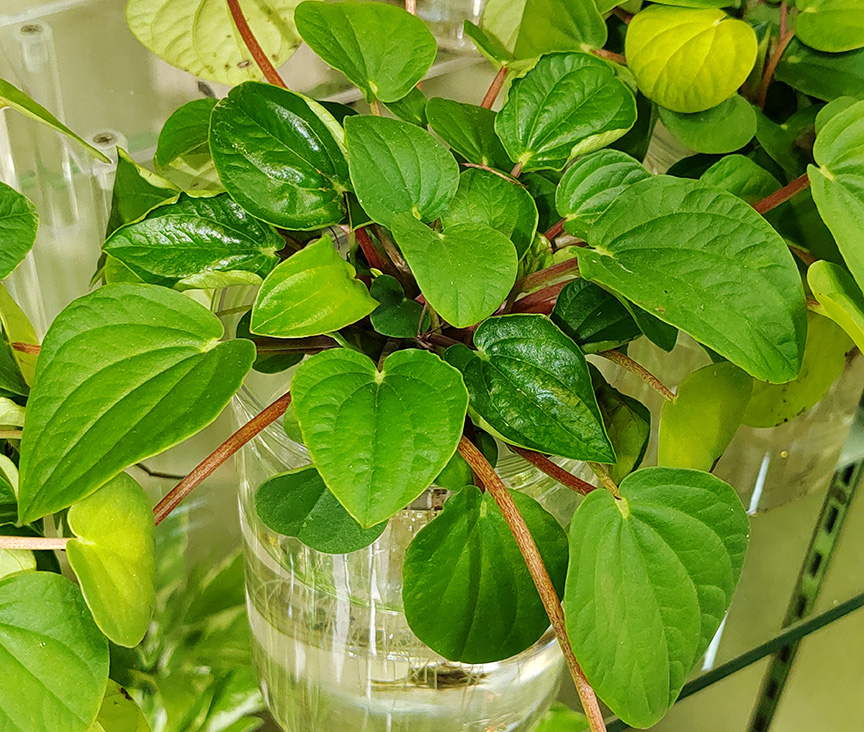
Peperomias are another genus of houseplants with sturdy qualities that endear them to me. I have both a variegated and non-variegated variety of peperomia with rounded, fleshy leaves on thick, succulent stems. Nicknamed radiator plant for their ability to withstand hot, dry atmospheres and their forgiving attitude toward less-than-ideal living conditions, peperomias live happily anywhere you place them, though prolonged exile to the radiator would probably kill them. I send them outdoors after the last frost of spring, and they beef up delightfully in the pleasant growing conditions of the porch.
Propagating the varieties I tend is as easy as breaking off a stem, dipping it in rooting hormone, and planting it in moist potting mix. Indoors they bring a cheery pop of faithful green, and survive the dark interior of my living room without complaint. These plants do not like to dry out too much, and need to be watered more frequently, but a few missed waterings will not cause instant demise, though they may drop a leaf or two.
One Christmas my sister gave me a little gray bowl that held three small succulents. One of the three was a jade plant. I potted it up when it outgrew the little gray bowl, and it continued growing. It loved the northeast porch in the summertime and lived happily indoors during the winter. Its trunk thickened and branches stretched out until today it is sixteen inches tall and two feet wide, though I am not quite sure if it is the original plant or merely a grown-up daughter. This plant has fleshy green leaves that are fun for little children to pluck. The occasional flying stuffed animal or bouncy ball may also knock off leaves or break off a stem. When these things happen, just lay those leaves on top of damp potting mix and tuck that broken stem into a pot and watch a new jade plant grow. Pretty soon your porch will be a jungle of jade plants, and you will have to decide whether to drag them all indoors for winter tending, give some away, or compost the ones for which you have no pretty pot.
Jade plants store water in their succulent leaves and do not like their potting mix to become waterlogged. This being the case, give them a bright window and an occasional splash of water, and they will live contentedly, adding warmth and character to your home.
Growing houseplants is a wonderful hobby, bringing the beauty of nature right inside our houses, and tending plants is a delightful way to relax and destress. Though not everyone will relish the task of managing dozens of houseplants, every home should have at least one happy, healthy plant contentedly greening up a corner all winter long.