

“Mammal-ling” With Friends First Place Winner
It’s a warm evening in late spring. Because of a mammal contest, a father and his young son are preparing for an adventure instead of going to bed. Slipping out of the house, they stealthily creep down the gravel driveway. With a thermal monocular, they intently scan the surrounding fields. So far there are only rabbits, so they continue. The destination is a thirty-acre ridge that recently had the hay harvested. On the way, they stop to peer into an old shed and find the first new species for the list, a deer mouse.
Arriving at the hay field, they scan down the other side. The thermal shows a creature moseying along the edge of the woods. The spotlight reveals a raccoon, new species number two.
Moving along, they spot a bird on the ground in the wide-open field. It turns out to be a nighthawk just sitting in the sparse grass. They turn on the spotlight to blind it and very slowly creep closer and closer. The father makes a quick grab, then holds in his hand a healthy, wild nighthawk, as the seven-year-old jumps up and down with glee. They examine its big mouth, the white wing stripe, and the soft body feathers. It is gingerly traded to the lad, who releases it to fly off into the night and on to its nesting grounds in the North.
The evening has become a memorable one, but they are not done yet.
Over on the other side of the ridge, a new chicken house is under construction. Amongst the materials, they spot a group of animals with the thermal. When they have stalked close enough, Dad turns on the spotlight to expose a family of red foxes. This is new species number three. The boy can hardly suppress his giggles as they watch the young foxes slowly disperse.
It is now time to loop toward home, as it is getting quite late. Before they reach the road, they spot two more foxes by some boulders, a curious Barred Owl in a tree, and new species number four—some deer on a distant hillside.
As they trudge toward home, the thermal reveals lots of birds in the brush along the road. Most are roosting on branches, but some are on nests. Robins, cardinals, Song Sparrows and a pair of Field Sparrows are identified.
By the time they finally reach the driveway again, it is nearing midnight. Some high-pitched squeaks in the trees overhead alert the pair to the presence of a flying squirrel. The fifth new species for the evening! With some patience and the help of the thermal and spotlight, they find it amongst the branches of the cherry tree. But now Mom is calling and the walk must end.
Thank you, Nature Friend, for motivating us to make such awesome memories!
Participants
Freida, Benjamin, Matthew, Jesse Lee, and Lucas Troyer; Adam Hershberger; Caleb and Timothy Yoder; Titus Nissley; Michael Byler
Mammal List
- Beaver
- Black-tailed Jackrabbit
- Coyote
- Deer Mouse
- Eastern Chipmunk
- Eastern Cottontail
- Eastern Gray Squirrel
- Elk
- Fox Squirrel
- Gunnison’s Prairie Dog
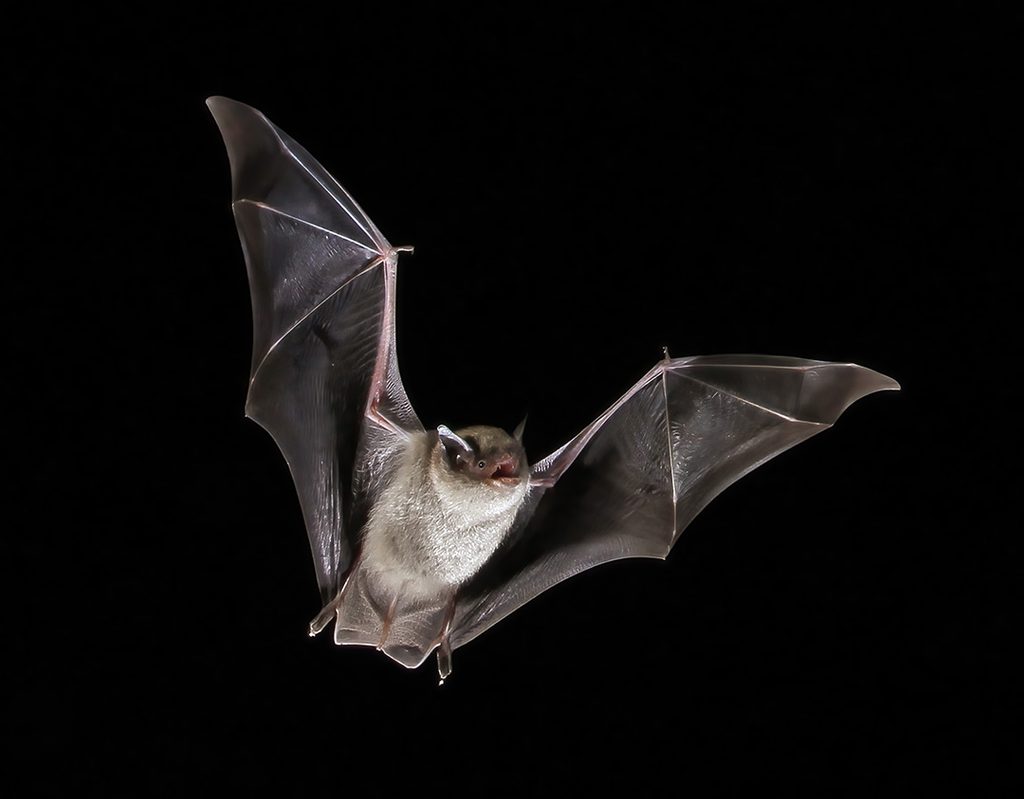
- Little Brown Bat
- Least Chipmunk
- Meadow Vole
- Mink
- Muskrat
- Mule Deer
- Norway Rat
- Pronghorn
- Raccoon
- Red Fox
- Red Squirrel
- Southern Flying Squirrel
- Virginia Opossum
- White-tailed Deer
- Woodchuck
- Yellow-bellied Marmot