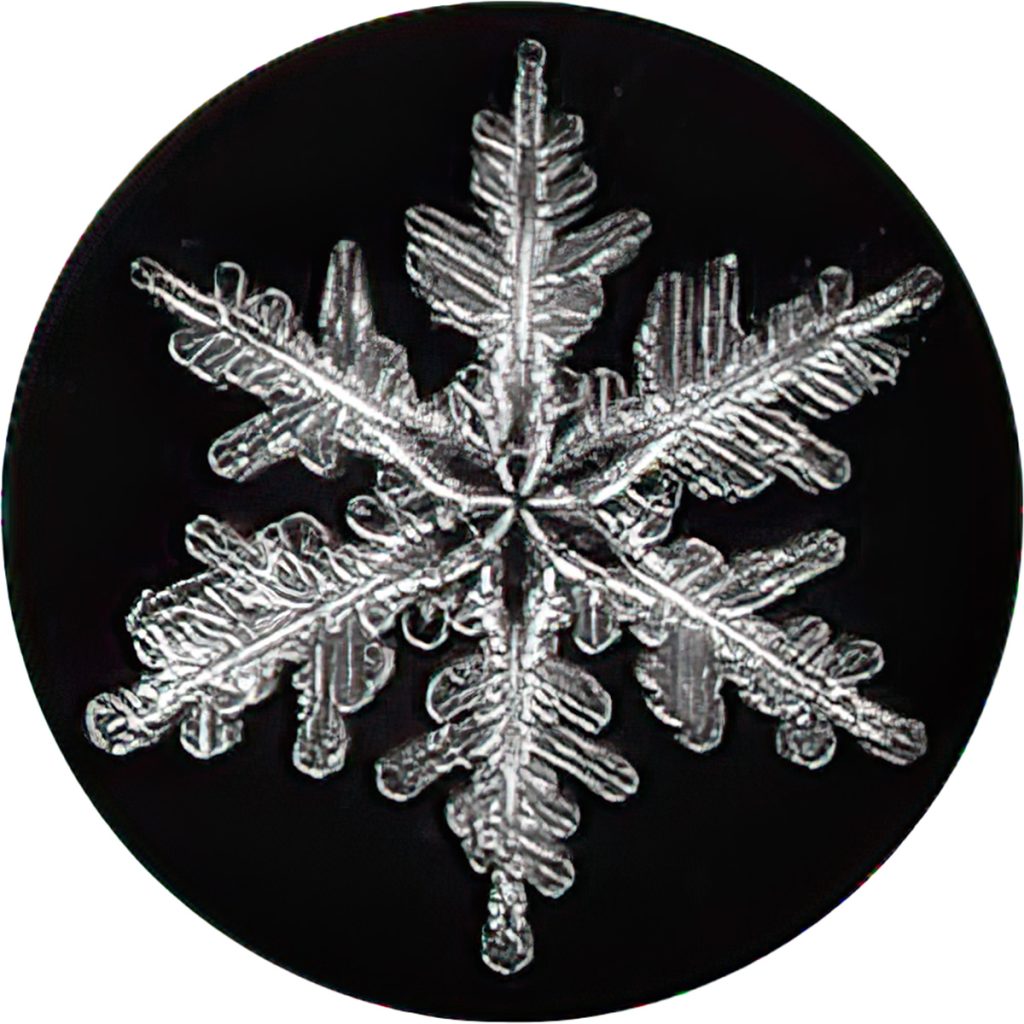
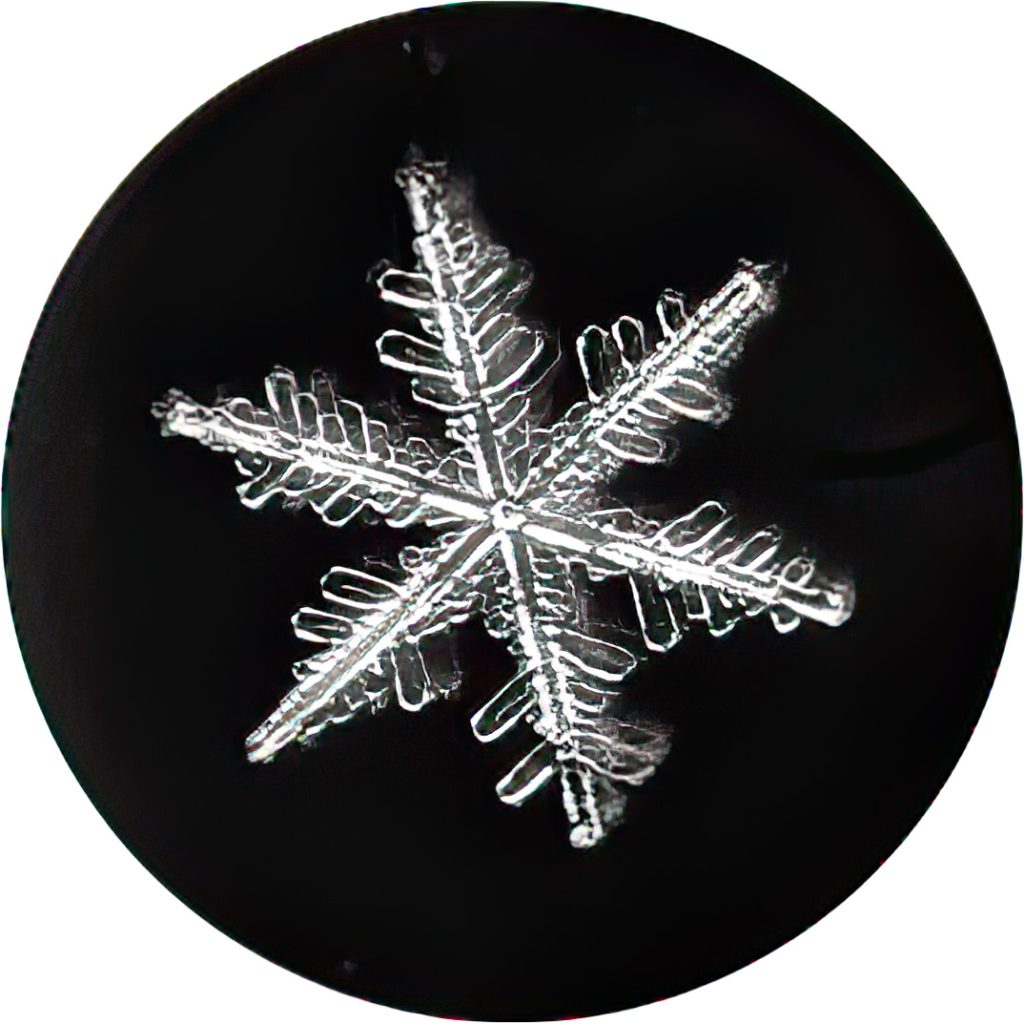
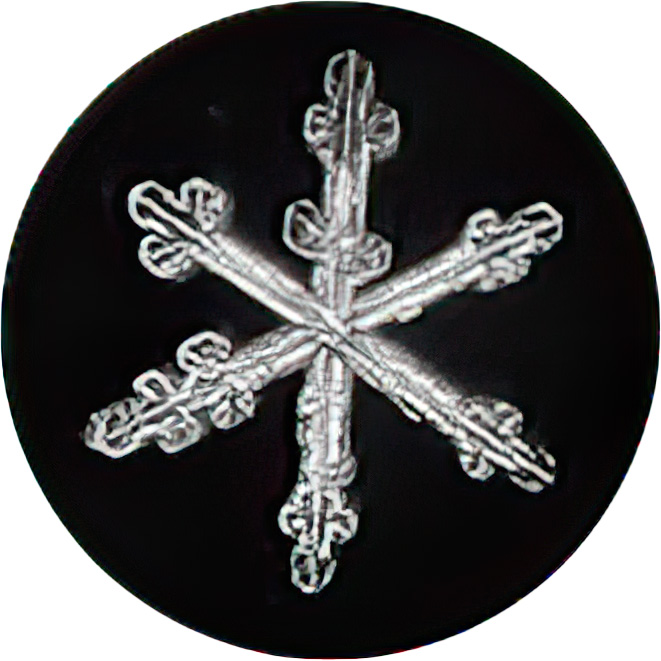
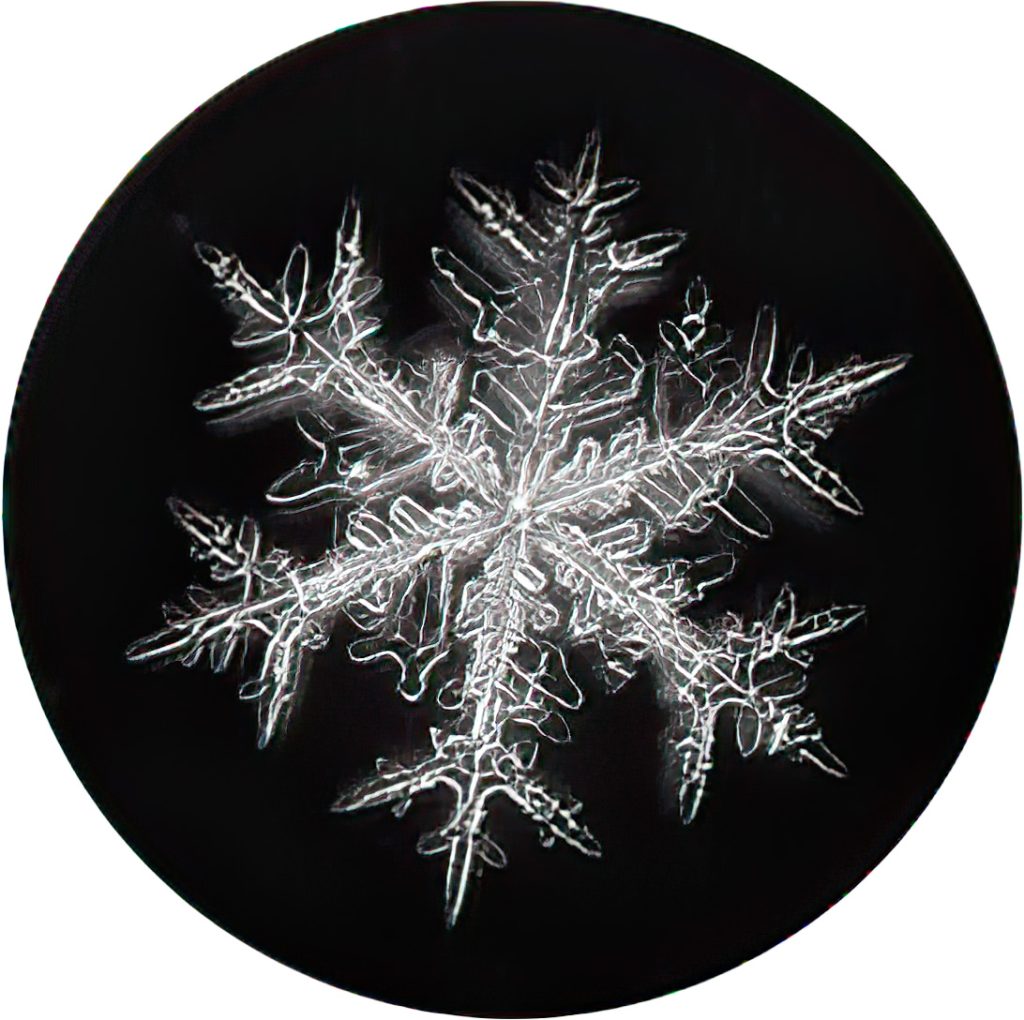
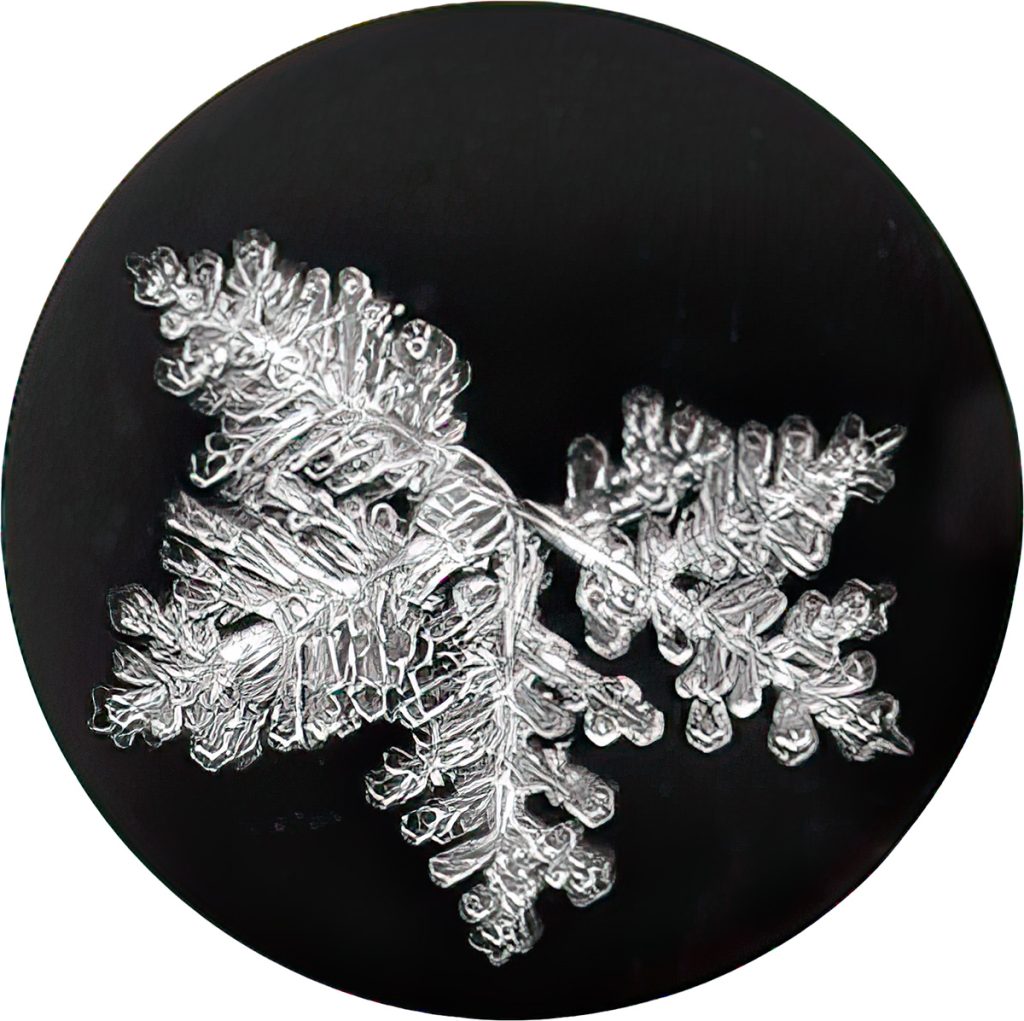
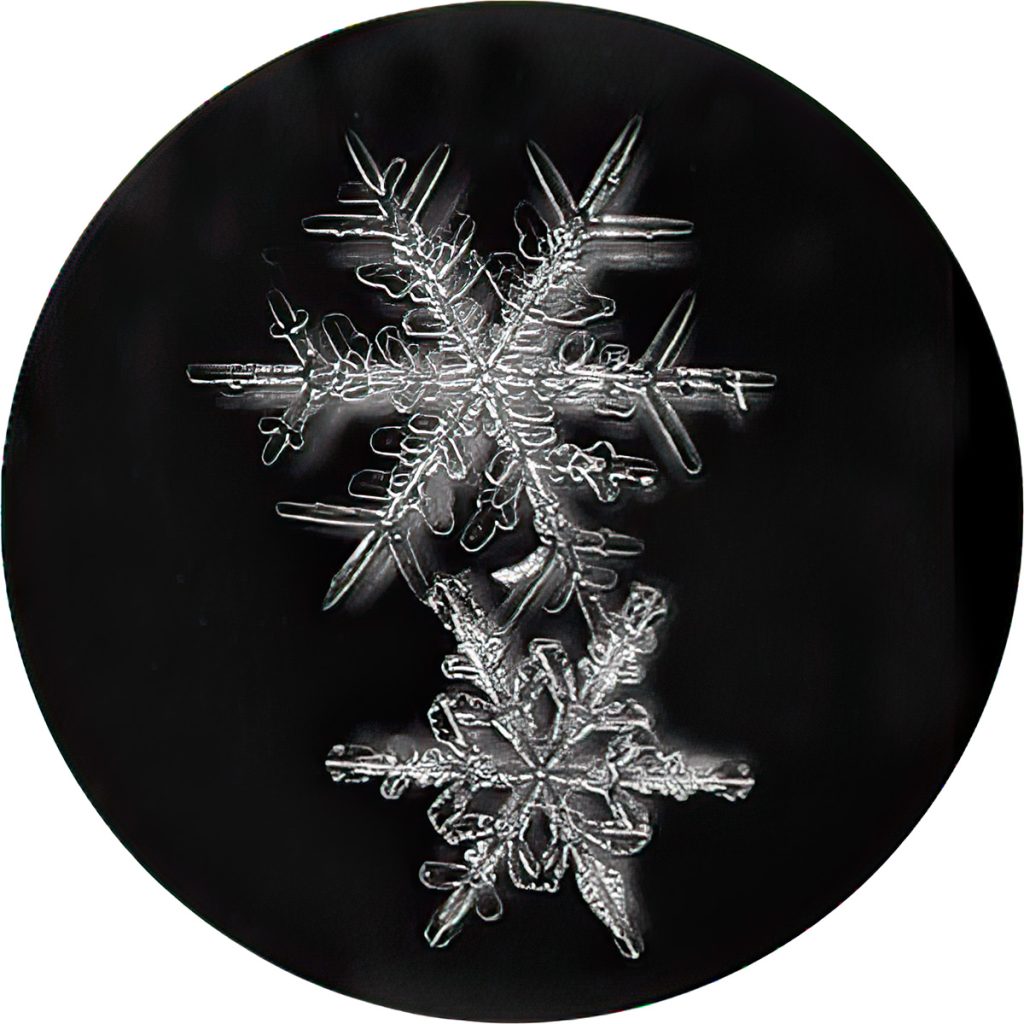
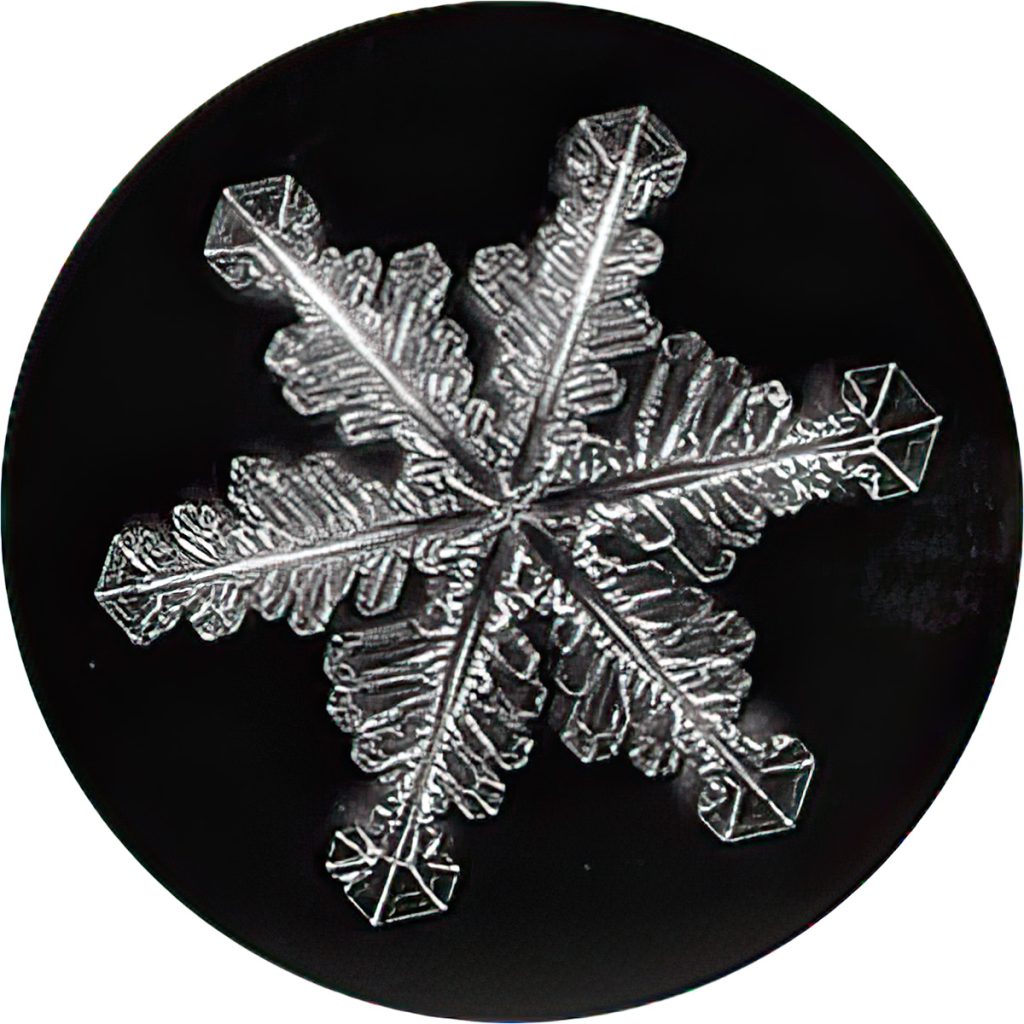
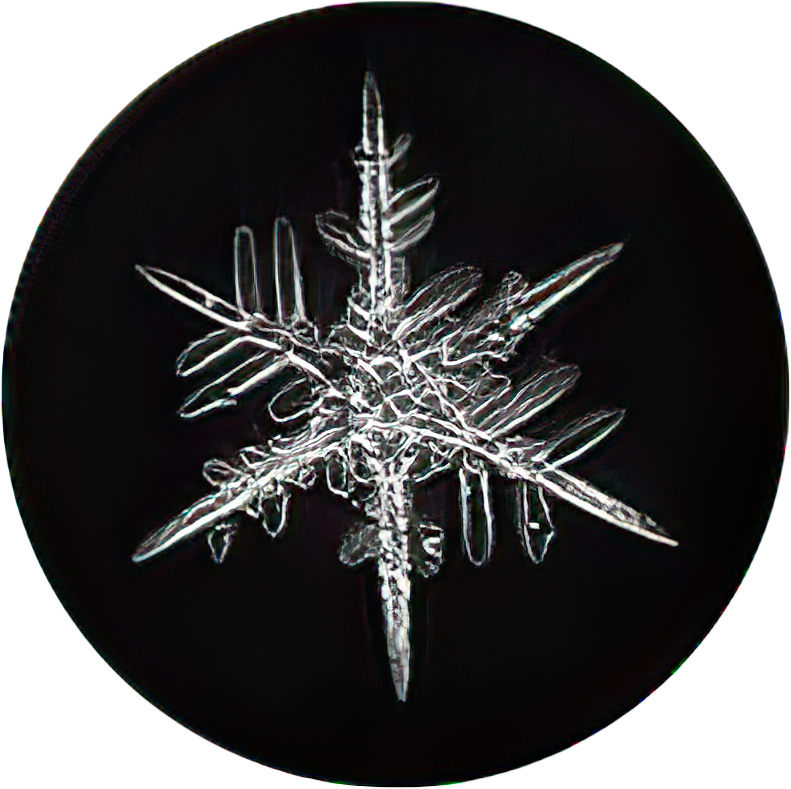
Editor’s Note: With the focus on snowflakes in this issue, I decided to go back Memory Lane and pick up the first time we wrote about snowflake photography and share it again. Our pursuit of snowflake photography largely began with this inspiration from Priscilla Wenger.
One new twist, since the original publication—we now have Topaz software that can enhance the photos. The originals were very small files, so I used Topaz Gigapixel to enlarge them 4x, while also sharpening them a bit.
I’ve always been fascinated by snowflakes. The pictures I found in the encyclopedia awed me, and I wished that I could see snowflakes like that. But back then, I never even tried to look for them, because I thought that those beautiful details were only visible with a microscope!
One Saturday afternoon, when I was maybe ten years old, I went out to sled. But first I stood outside the entry window and watched the snowflakes that were falling onto the ledges around the glass. What a surprise I got! I could plainly see six points on each little snowflake! I was so excited, and I tried to show them to others in my family. I was disappointed with their mild responses, but now I realize it was old stuff to them; they’d seen those little snowflakes before. Since then, whenever I happened to be outside and found some complete snowflakes that weren’t broken by the wind, I’d take a few moments to enjoy those tiny details.
A year or two ago, I decided to try taking pictures of them. When I saw the snow coming down on a Saturday morning, I put my brother’s Canon PowerShot SD600 camera on macro and went outside. I found a really pretty snowflake in a pile of snow on our porch, so I tried to take a picture of it. The results were disappointing. With that background of fellow snowflakes, my snowflake was completely out of focus. Frustrated, I decided the camera wasn’t made to capture such detail and gave up for that year.
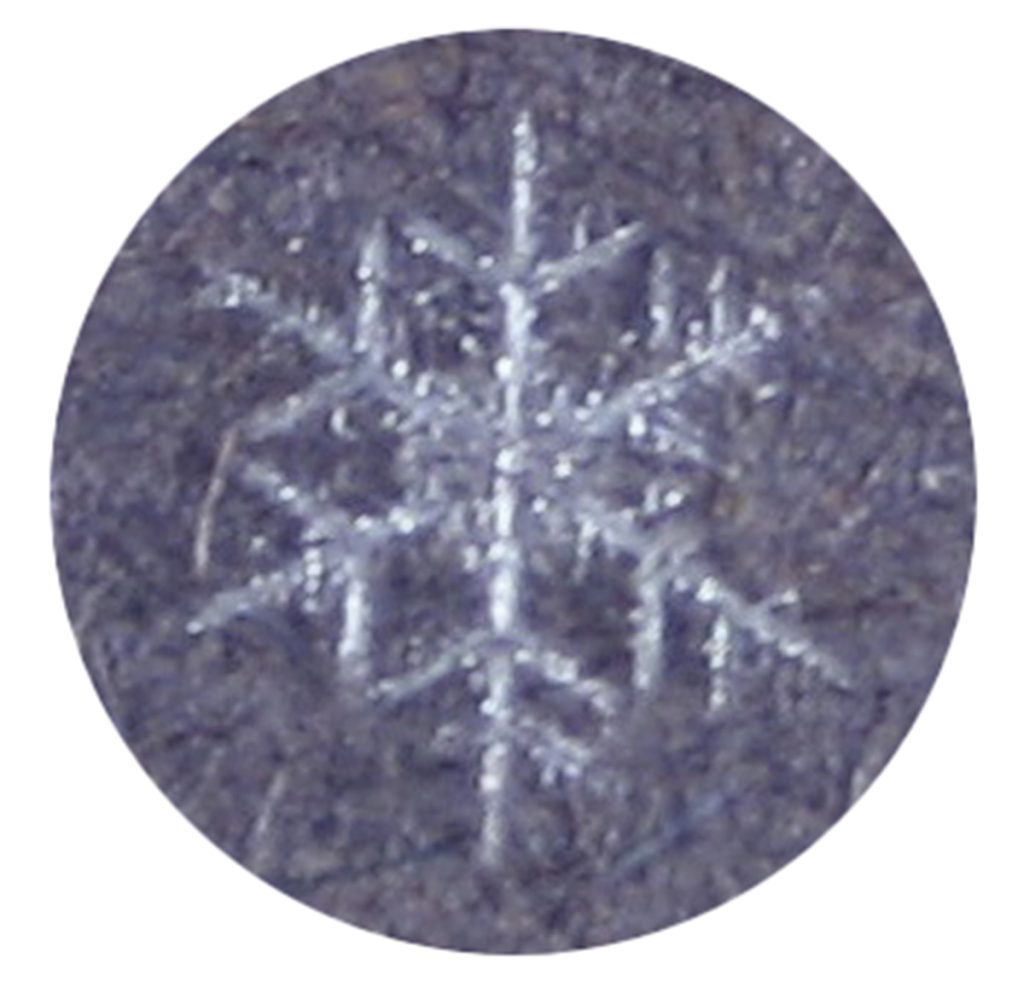
But in December 2010, I decided to try again. I remembered that the pictures of snowflakes I’d seen in other places were on a black background. So one morning when the snow was falling gently, with almost no wind, I put a piece of black construction paper outside on the walk. I was pleased with the beautiful snowflakes I found on it a few minutes later. But again, the pictures were disappointing. The background I chose looked like rough gray plywood, and the snowflake was not very sharp. This time, however, I was sure I could do better. If I could find a background that was glossy and black, then I could get the photos I was after.
I showed my brother Leland my pictures and asked for a suggestion. “Use a mirror,” he said.
At first I had my doubts. “That would have a distracting background,” I told him. He was just as sure that it would work. So I put a mirror outside in a shaded spot. It had to get cold first, or the snowflakes would melt, then freeze into an icy blob.
A little while later I put the mirror on the walk. Once again, I caught some beautiful snowflakes. This time, the pictures were as wonderful as the snowflakes! The camera lens reflected behind the snowflake made just the right background. I was as excited as the first time I saw a six-pointer, and I couldn’t get done taking pictures! I showed Leland my pictures again, and this time, the smile he gave when he saw them told me it was a success. I have him to thank for his splendid suggestion.
Now that I’ve seen so many snowflakes, do you think perhaps they’re old stuff to me? No, never! I have not seen nearly all the possibilities in a snowflake’s formation. Every snowflake is new and different. They are all unique, just like a fingerprint. I call them God’s fingerprints. He generously showers unimaginable numbers of them down on us every year, yet very few of them enjoy the opportunity of being noticed.