
View the full issue in the Magazine Archive M15. Photo © Hubble and NASA. Pegasus is one of the most familiar autumn constellations. The most prominent part of the constellation is a large square of...


View the full issue in the Magazine Archive M15. Photo © Hubble and NASA. Pegasus is one of the most familiar autumn constellations. The most prominent part of the constellation is a large square of...
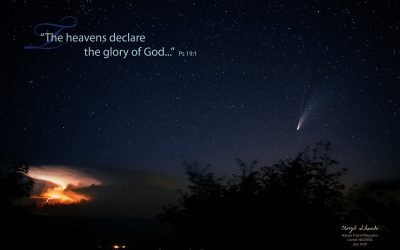
Try these comet photography techniques with the next comet and send your results to Nature Friend!

Two comets are coming through in October…

Thanks to its location along the Milky Way, Cygnus is loaded with star clusters and nebulas. It also contains a couple of outstanding double stars…
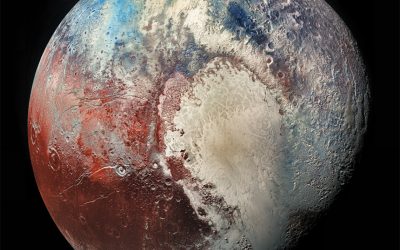
If there was ever an object in the solar system that had astronomers confused, it was Pluto. At first their consensus was that it was a planet; then they decided it was not. The New Horizons spacecraft was supposed to answer questions and solve mysteries about this mysterious object, but when it flew past Pluto at about 31,000 mph, it uncovered more mysterious things…
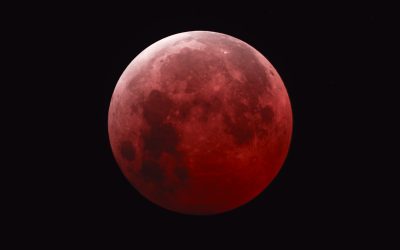
Astronomy highlights for September and October 2025
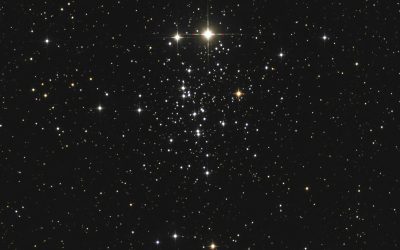
I always carry my binoculars when I’m out under the stars, even when I’m primarily using a telescope. Over the years, I’ve discovered that even a modest handheld binocular like the Vortex Viper HD 10×42 I use can reveal a wide range…

Lyra, the Harp, is a small constellation that lies almost straight overhead on August evenings in the mid-northern latitudes…
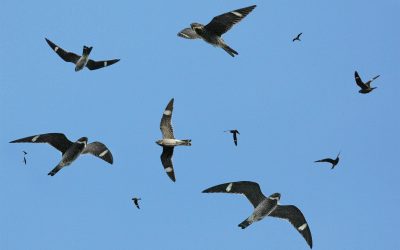
Puffin rescue…migrations… August nature highlights.

Ophiuchus is a large constellation that lies high in the southern sky on midsummer evenings…
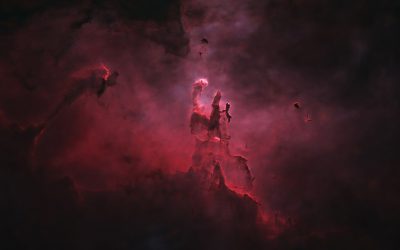
Even though the largest pillar only looks like a curling finger of dust, it is a gigantic four light-years long from the top to the bottom…
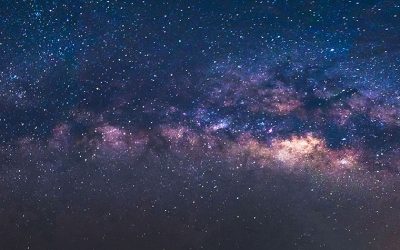
With the Milky Way coming into a favorable position for evening viewing, all kinds of fun features are out there to be viewed…

Draco isn’t heavily populated with great telescopic targets, but the double stars and deep sky objects that do lie within the constellation’s boundaries are widely varied…
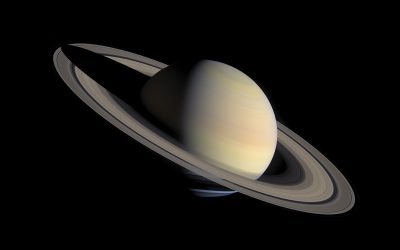
To step out into the dark, still night and look up into the myriad of sparking, burning lights…
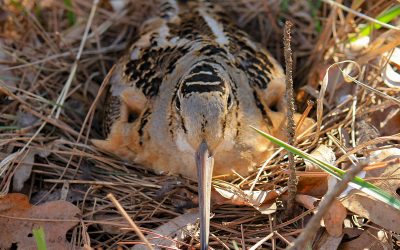
Readers’ photo submissions from the June issue.